
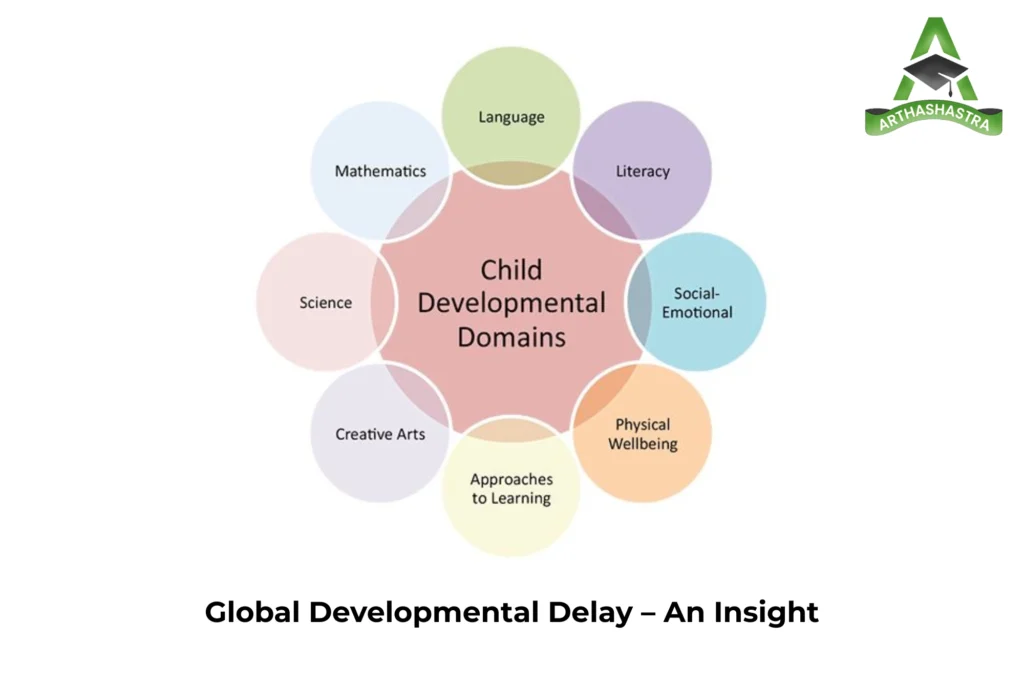
Global Developmental Delay, or GDD, is a term used when a child takes longer to reach developmental milestones compared to their peers. This delay isn’t just in one area; it’s a significant lag in two or more of the main developmental domains. Think of it as a child needing a bit more time and support to learn the skills that come more naturally to others their age.
A diagnosis of GDD is typically made for children under the age of five. For older individuals, the term intellectual disability is more commonly used. It’s important to remember that GDD is not a specific disease but rather a descriptive term for a child’s developmental status.
The prevalence of GDD is estimated to be between 1 and 3 percent of children worldwide. The causes can be varied and are sometimes difficult to pinpoint. Some known contributing factors include genetic conditions like Down syndrome or Fragile X syndrome, complications during pregnancy or birth such as premature birth or lack of oxygen, and infections or injuries affecting the brain. In many cases, however, a specific cause cannot be identified.
Signs and Areas of Delay
Children with Global Developmental Delay will show a unique combination of challenges. The main areas of development where delays are observed include:
Gross Motor Skills: This involves the large muscles of the body used for movements like rolling over, sitting up, crawling, and walking. A child with GDD may be late in achieving these milestones.
Fine Motor Skills: These are the smaller, more precise movements, such as grasping a toy, holding a crayon, or using utensils to eat. Difficulties in this area can affect a child’s ability to perform everyday tasks.
Speech and Language: This encompasses both understanding what is being said (receptive language) and being able to express thoughts and needs (expressive language). Delays might look like limited vocabulary, difficulty forming sentences, or trouble following instructions.
Cognitive Skills: This refers to the ability to think, learn, and solve problems. A child with cognitive delays may have a shorter attention span, struggle with memory, or take longer to grasp new concepts like letters and numbers.
Social and Emotional Skills: This area involves interacting with others, understanding social cues, and managing emotions. A child with GDD may have difficulty making friends, seem anxious in new situations, or have trouble regulating their feelings.
Activities of Daily Living: This includes self-care skills appropriate for their age, such as feeding themselves, dressing, and toilet training.
The Power of Early Intervention and Support
The most crucial step in supporting a child with Global Developmental Delay is *early intervention*. The first few years of a child’s life are a period of rapid brain development, making this the ideal time to provide targeted support. Research consistently shows that early and appropriate interventions can significantly improve a child’s long-term outcomes, helping them to build essential skills and reach their full potential.
A multi-faceted approach involving a team of professionals is usually the most effective way to support a child with GDD. This team often includes:
Pediatricians and specialists: To conduct thorough assessments, identify any underlying medical conditions, and manage the child’s overall health.
Physiotherapist: They work on improving gross motor skills, balance, and coordination through exercises and play-based activities.
Occupational Therapists: They focus on developing fine motor skills, sensory processing, and the skills needed for daily living, such as dressing and eating.
Speech-Language Pathologists: They help with all aspects of communication, from articulating sounds to building vocabulary and understanding social language.
Child Psychologists and Behavior Therapists: They can assist with social and emotional development, as well as manage any challenging behaviors.
Special Educators: They design individualized learning plans and use specialized teaching strategies to help the child succeed academically.
Educational and Home-Based Strategies
Creating a supportive and structured environment is key to helping a child with GDD thrive. Here are some effective strategies for both school and home:
Individualized Education Plans (IEPs): In a school setting, an IEP is a document that outlines the child’s specific learning goals and the support services they will receive. This ensures that their education is tailored to their unique needs.
Visual Supports: Using visual schedules, picture cards, and other visual aids can help children with GDD understand routines, transitions, and instructions.
Breaking Down Tasks: Complex tasks can be overwhelming. Breaking them down into smaller, manageable steps can make them easier to learn and master.
Positive Reinforcement: Praising effort and celebrating small achievements can be a powerful motivator and helps to build self-esteem.
Play-Based Learning: Play is a natural and enjoyable way for children to learn and develop new skills. Engaging in activities that are both fun and therapeutic can be highly effective.
Structured Routines: A predictable daily routine can provide a sense of security and help to reduce anxiety.
Family Support and Involvement: A strong support system is vital. Parents and caregivers play a crucial role in their child’s development. Accessing support groups and counseling can provide families with the resources and emotional support they need.
Ultimately, supporting a child with Global Developmental Delay is a journey that requires patience, understanding, and a collaborative effort from parents, educators, and healthcare professionals. By focusing on the child’s strengths and providing timely, individualized support, we can help them to overcome challenges, build confidence, and lead happy, fulfilling lives.
