
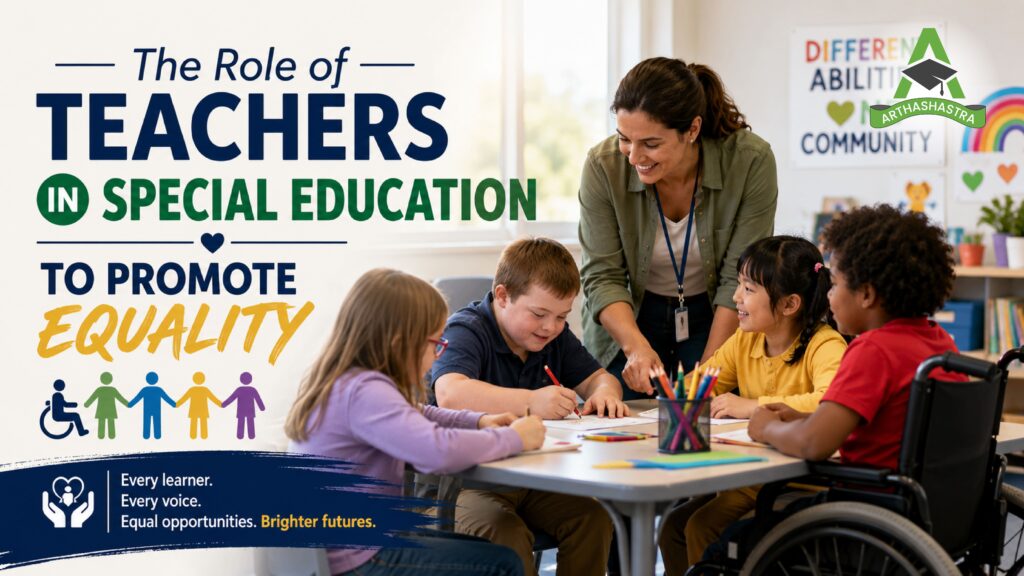
Educational institutions play a critical role in fostering equality for neurodivergent students. Inclusive classrooms should provide:
- Individualized learning strategies that accommodate different learning styles.
- Flexible teaching methods and assessments.
- Sensory-friendly environments when necessary.
- Opportunities for meaningful participation in academic and extracurricular activities.
- Positive behavioural support rather than punishment for neurological differences.
Teachers who embrace equality focus on strengths as much as challenges. Many autistic children demonstrate exceptional attention to detail, creativity, or problem-solving abilities, while students with ADHD often exhibit high energy, innovation, and enthusiasm. Recognizing these strengths helps build confidence and academic success.
The Role of Families & Communities:
Families and communities are essential partners in creating an equal and inclusive society. Parents can advocate for their children’s rights while encouraging independence and self-advocacy. Communities can promote awareness programs that challenge stereotypes and increase understanding of neurodiversity.
Inclusive recreational activities, community events, and social programs provide valuable opportunities for children with autism and ADHD to develop friendships, communication skills, and self-confidence. Equality is achieved when these children are welcomed and valued as active members of society rather than treated as exceptions.
